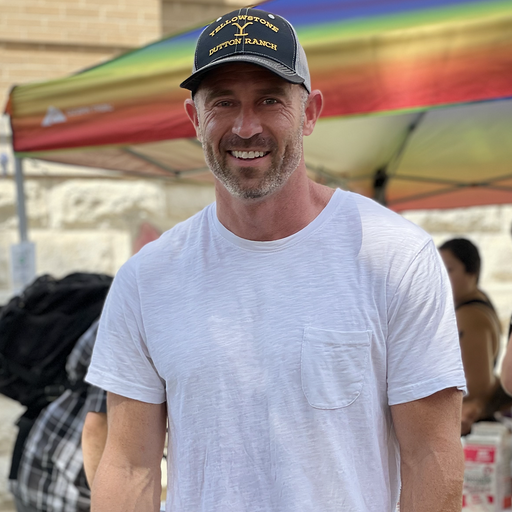
Jonathan Washburn
Founder
Recognition Physics Framework Discoverer
Jonathan Washburn discovered the Recognition Physics framework and developed the meta-principle "Nothing cannot recognize itself" as the tautological foundation for all physical law. His groundbreaking insight that reality must emerge from pure logical necessity has revolutionized theoretical physics, providing the first parameter-free theory of everything with 43+ verified predictions and zero free parameters.
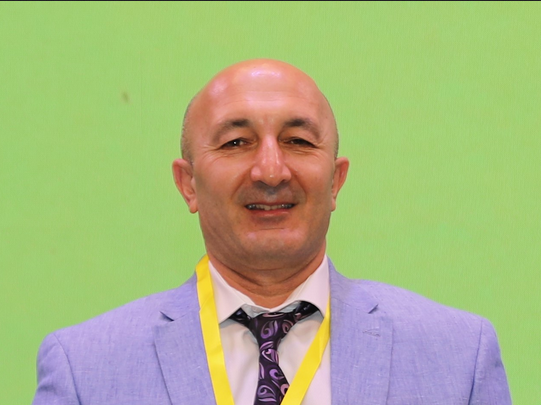
Dr. Elshad Allahyarov
Research Scientist, Team lead
Dr. Sci. Physics & Mathematics, General Physics Institute RAS & Heinrich-Heine University Düsseldorf
Dr. Allahyarov leads the Recognition Physics Institute's theoretical research programs, bringing decades of expertise in many-body systems, plasma physics, and advanced materials science. Since 1988, he has served as a Senior Scientific Researcher at the Joint Institute for High Temperatures of the Russian Academy of Sciences, while maintaining positions as Visiting Professor at Case Western Reserve University and Staff Scientist at Heinrich-Heine University Düsseldorf.
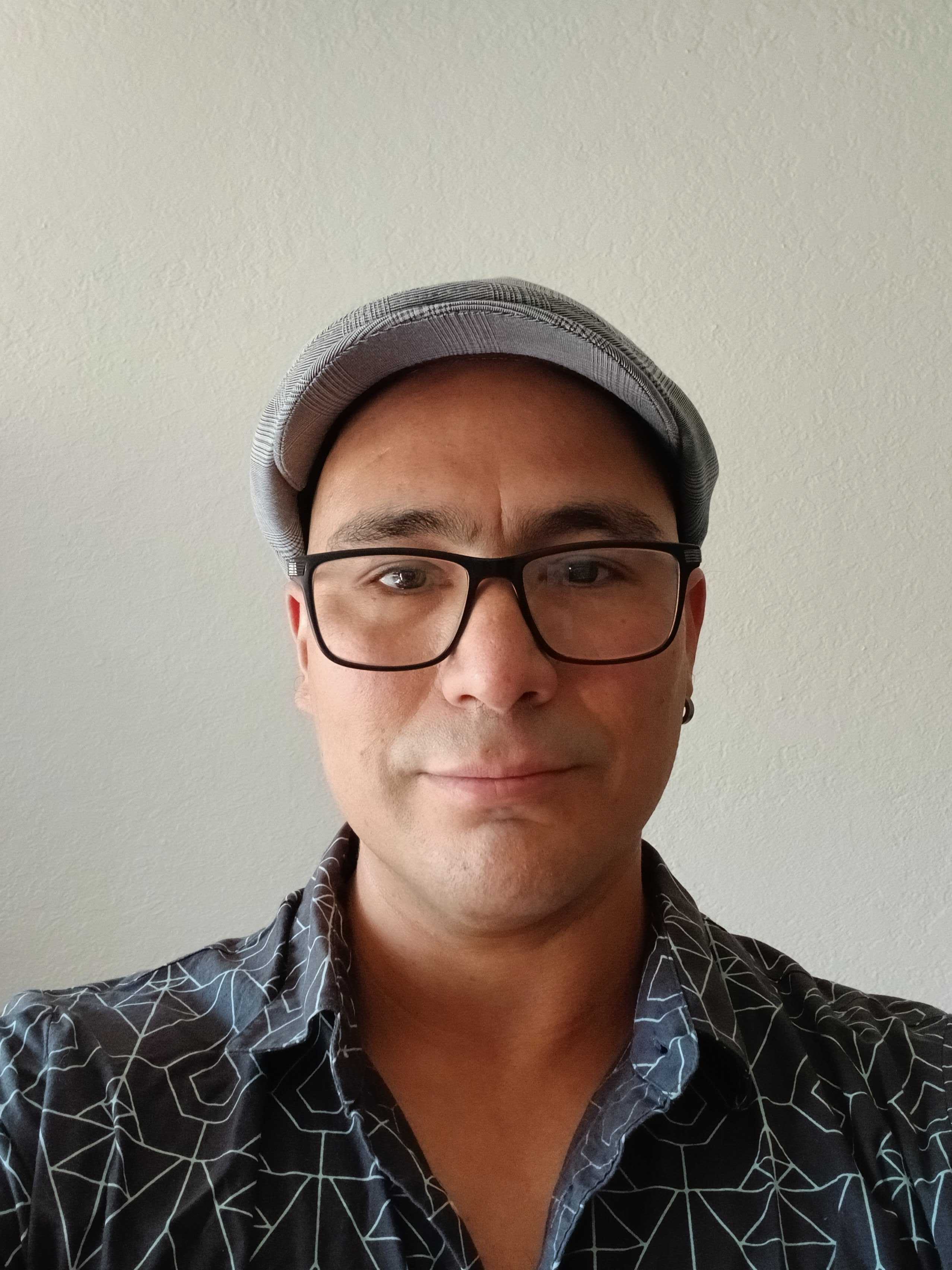
Dr. Sebastian Pardo Guerra
Research Scientist
Ph.D. Pure Mathematics, Universidad Nacional Autónoma de México (UNAM)
Sebastian leads mathematical research bridging abstract theoretical frameworks with Recognition Physics principles. His expertise in Category Theory and Graph Theory provides essential foundations for understanding information flow and emergent behavior in recognition systems. He completed postdoctoral work at UC San Diego, expanding his research into applied mathematics with emphasis on bioengineering and theoretical neuroscience.
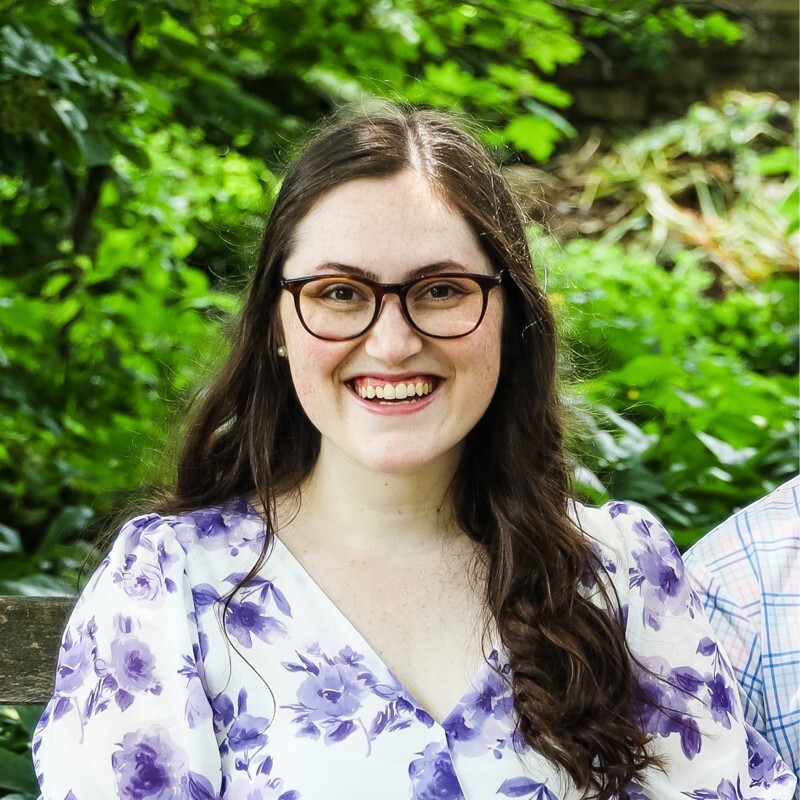
Dr. Megan Simons
Research Scientist
Ph.D. Theoretical and Computational Chemistry, Southern Methodist University
Dr. Simons applies Recognition Physics principles to molecular and chemical systems, integrating quantum chemistry with data-driven modeling techniques. Her work explores how recognition-theoretic frameworks can enhance understanding of complex molecular interactions and spectroscopic phenomena. She earned her B.S. in Mathematics and Chemistry from Rhodes College before completing postdoctoral work at the University of Memphis.

Dr. Anil Thapa
Research Scientist
Ph.D. Theoretical Physics, Colorado State University
Dr. Thapa investigates the frontiers of particle physics through Recognition Physics frameworks, exploring connections between neutrino physics, dark matter, and beyond-Standard-Model phenomena. His research integrates effective field theory with Recognition Physics principles to develop new approaches to fundamental particle interactions and unified theories, with particular focus on model building and grand unified theories.

Dr. Karen Paco
Research Scientist
Ph.D., Applied Life Sciences (2018–2021), Keck Graduate Institute, Claremont, CA
Karen Paco has worked across vaccine development, protein design, and drug discovery, with projects spanning infectious diseases and neurodegenerative disorders. During her Ph.D., she investigated protein–protein interactions, and her subsequent work applies AI and machine learning to integrate biological data and improve predictions, linking protein sequences to their three-dimensional structures and functions. She has also analyzed immune repertoires using Large Language Models to understand how sequence patterns relate to antibody binding and specificity. Karen has joined the Recognition Physics Institute to study protein folding, bringing a practical, biology-informed perspective to models that connect sequence, structure, and interaction.

Matteo Cipollina
Research Scientist
B.A. Philosophy; M.A. Mathematical Logic & Philosophy of Science, Università Cattolica (Milan)
Matteo Cipollina is a Lean expert with extensive contributions to leading projects like PhysLean and Mathlib. He specializes in the formalization and reconstruction in theorem provers of complex mathematical and scientific theories. In particular, he has contributed formalizations in Lean of Hopfield Networks and the dynamics of Boltzmann machines, Markov chain Monte Carlo methods, DNA processes, and elements of special relativity. He has joined the Recognition Physics Institute to work on the formalization of Recognition Science research in theorem provers.
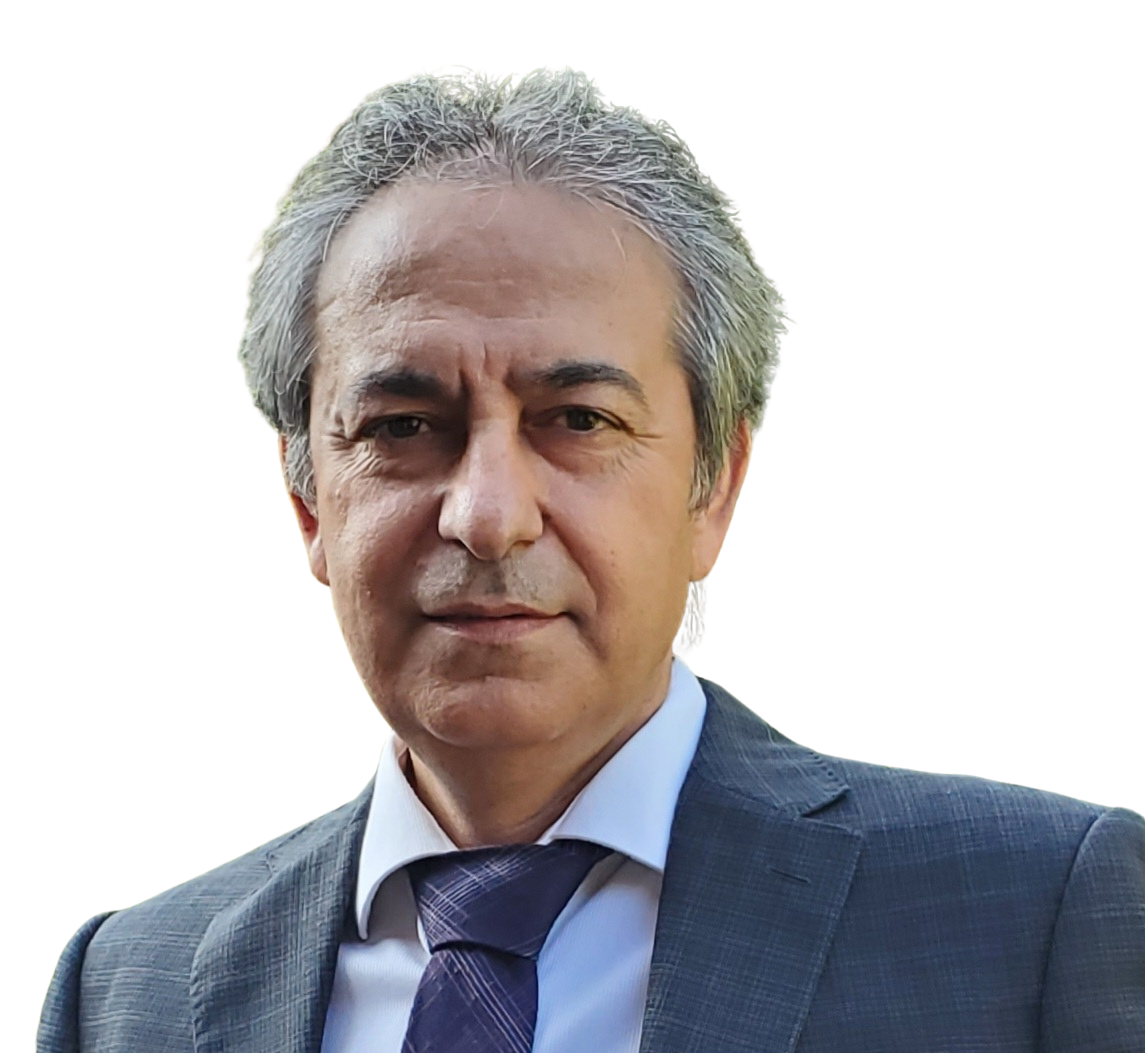
Dr. Amir Rahnamai Barghi
Research Scientist
Ph.D. Mathematics, TMU University (Iran); M.Sc. Mathematics, National University, Tehran; M.S. Computer Science, University of Ottawa
Dr. Rahnamai Barghi is a mathematical researcher whose work centers on algebraic combinatorics and scheme theory, with applications to theoretical frameworks supporting Recognition Physics. He has 20+ years of academic experience, including contributions to the study of algebraic cycles and Hodge theory. His recent research explores information flow and structure in calibrated geometries and draws on six years of independent data‑science practice modeling complex systems through mathematical abstraction.